Still, banning social media in the Pacific would be bad policy. Despite the risks that misinformation and incitements to violence present, it’s not clear that the answer is to restrict access to the platform in question – people could quickly switch to another. The power could be abused, to silence opposition politicians, for example, and it would be unfair to citizens who want to follow the news and have their say.
It would also be bad politics. Limiting access to social media would be hugely unpopular. There is a strong appetite for information, especially about politics, that is a challenge for traditional media to satisfy. This is probably what has held governments back from following through on previous threats against social media providers.
The answer isn’t a ban. It’s transparency: governments, the Pacific Islands Forum and Pacific NGOs could seek regular meetings with social media companies, especially Facebook, to discuss their concerns. Governments could request regular reporting from providers on actions being taken to monitor threats and help to counter misinformation.
The other answer is real news. Support to independent Pacific media organisations is a real investment for governments and for regional partners.
None of this means ignoring the negative impact of social media in the Pacific. Governments in the region will push back on the platforms. While restrictions aren’t the answer, people should be clear-eyed, and maybe sympathetic, about their concerns.
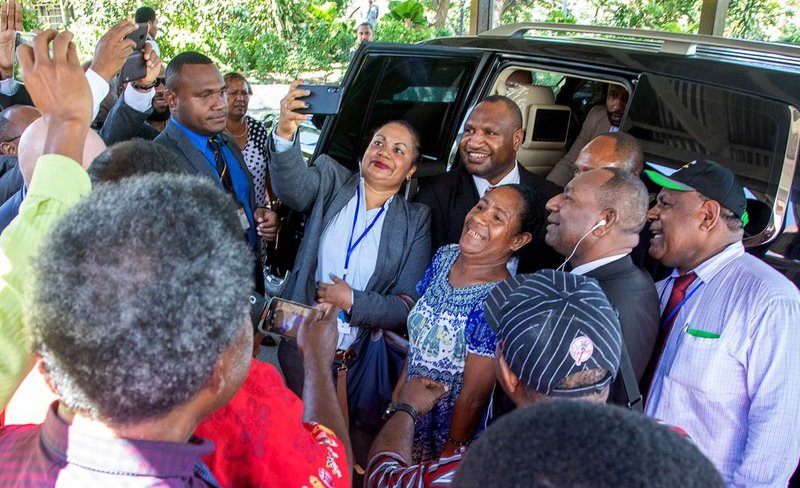
For now, in PNG, O’Neill’s desire to limit the influence of social media will leave the public stage with him. Marape has been busy drawing a line under the O’Neill era and enthusiastically explaining his plans to the nation. Where’s he talking to the people? On Facebook.
Alastair Davis