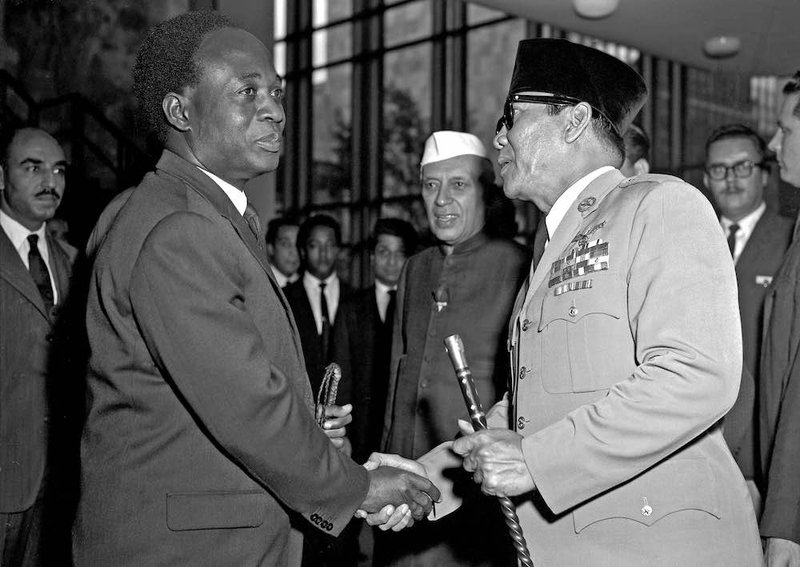
Unfortunately, it was mostly rhetoric. Indonesia did little to follow up on Jokowi’s calls for UN reform, and a closer look at his policy priorities demonstrate that winning international prestige or taking bold action was not his true goal. For the most part, his foreign trips and speeches were aimed not at promoting Indonesian diplomacy, or taking a stand on issues such as the South China Sea crisis, or the repression of the Rohingya in Myanmar, but attracting foreign investment for his massive infrastructure development plans.
The few times that Jokowi has spoken out on global issues, it has been due to public pressure, usually from his right. He has refused opportunities to take the initiative. As a case in point, he has never attended or given a speech at the UN General Assembly since coming to office, unlike every one of his ASEAN counterparts, or his predecessor, Susilo Bambang Yudhoyono.
So what value will the Security Council seat offer in the run up to the election? Jokowi might see the potential to demonstrate action domestically, particularly on issues of importance to Islamists, a growing force in Indonesia. Since the shock election in 2017 when his former running mate, Basuki Tjahaja “Ahok” Purnama, lost his bid to stay on as Jakarta governor against an Islamist-fuelled campaign, Jokowi has been working hard to shore up his own Islamic credentials. It was the reason he chose a former hardline Islamic scholar, Ma’ruf Amin, as his running mate.
This helps explain some of the symbolic moves from Indonesia around the Israel-Palestine conflict, which increasingly elicits passionate responses from conservative Indonesian Muslims. One of Indonesia’s first actions at the Security Council was to draft a resolution condemning Israel’s decision to not extend the residence permit for international monitoring teams in the West Bank, a move that, having been vetoed by the United States as a permanent member, was rendered toothless. But this also chimes with criticism by Indonesia of the American and Australian moves to recognise Jerusalem as Israel’s capital – which similarly was well received domestically within Indonesia but did nothing to help solve the conflict or alleviate the plight of Palestinians.
In the end, Jokowi has been consistent. He has used Indonesia’s international role to promote his domestic policies and his political image, not truly influence global politics or issues.
As for that 2015 call to reform the global order? Rhetoric with little action. Indonesia is happy with the world order as it stands, and will gladly accept the prestige of a Security Council seat without taking any responsibility to stand up for South East Asia or the developing world. That bold, sometimes rash, Indonesia under Sukarno might as well have been, for better or for worse, another country.
Nithin Coca