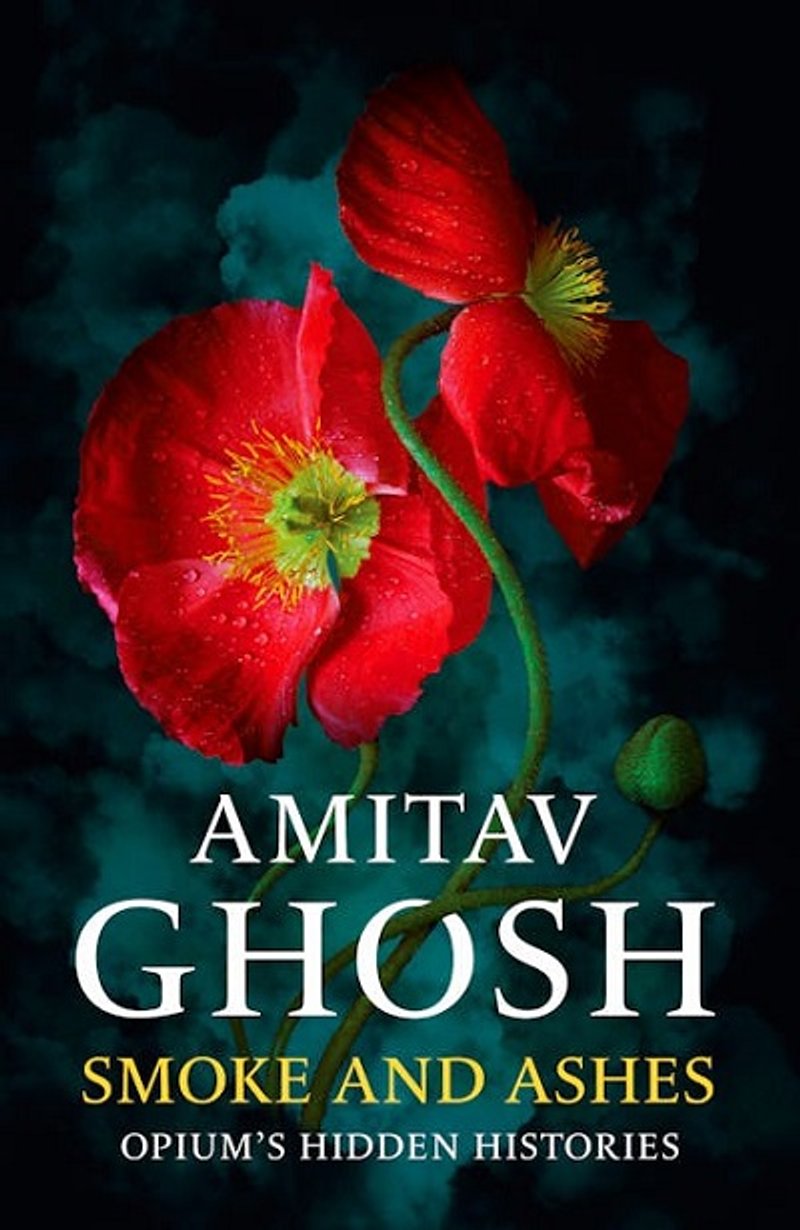
Book review: Smoke and ashes: Opium’s hidden histories by Amitav Ghosh (Murray, 2024)
Switching for a while from fiction to fact, Amitav Ghosh has written an account of “perhaps the oldest and most powerful medicine known to man”, an “opportunistic pathogen” named opium.
Opium, its trade and the wars that it caused, were the subject of Ghosh’s Ibis trilogy. Ghosh has now built out from his three-volume study of the ways in which Britain provoked three Opium Wars with China in order to smash Chinese trade restrictions, seize Hong Kong and addict much of China to a lethal drug. Some of the massacres, famines, pillaging and expropriation that disfigured the British Empire were more gruesome than the opium trade, but few were more sordid or insidious.
To supply a domestic market addicted to tea, and avoid draining silver bullion reserves to pay for those leaves, the British resolved to find a commodity for barter trade with China. Opium was the best bet. The British then boosted demand in China to meet supply created in India. War was an option of last resort, the British having proved unable to seize tea plants, steal the requisite technology or kidnap skilled workers.
Amitav Ghosh has written many wonderful novels, none better than the first in the Ibis set, Sea of Poppies. He has detoured from novels into non-fiction before, to present a fervent case on climate change. Here, Ghosh not only applies the meticulous, fine-grained research that underpinned the Ibis books. He deploys a novelist’s skill with colour and movement, emphasis and embroidery, to transform the opium story. The reader is offered a morality tale, a thoroughly documented history and a poignant remembrance of ruined lives in both India and China.