There exists a canon of respected, durable, heart-breaking books on war (Getty Images)
War stories: Our fascination with the grease and guts of conflict
Long after armies have left the field, the tales of conflict endure.
Newsletters
Subscribe to The Informer for monthly expert analysis, and to Events for advance notice of visiting world leaders and distinguished guests.
You may unsubscribe from Lowy Institute newsletters at any time. For information on our privacy practices and how to unsubscribe, see our Privacy Policy.
Mark Pierce
8 July 20254 min read
|War stories: Our fascination with the grease and guts of conflict
War stories: Our fascination with the grease and guts of conflict
In a world now beset by wars and rumours of wars, the time may have come to re-visit a few books which tell us some home truths about war.
Those truths offer little consolation, either about human history or about human nature. If anything, a reader could be drawn back to extremely cold comfort by an Athenian playwright, in the form of Aeschylus’ agonised warning about how “pain which cannot forget falls drop by drop upon the heart, until in our own despair, against our will, comes wisdom”.
The test for authors of war stories, in both fiction and non-fiction, was set years ago by an Irish novelist, Colum McCann. Writers need to go out into the world to find a story which breaks their hearts. Then they need to work out a way to tell readers that story so that their hearts break too.
Venerable tradition would suggest a canon of respected, durable, heart-breaking war books. Memoirs by two generals, Julius Caesar and Ulysses S. Grant, would be included. Insights by Thucydides and Livy would be exhumed. The Mahabharata would earn a spot, as would a work often cited – if less frequently read – by Sun Tzu, The Art of War.
Some more embellished narratives might even sneak into a must-read list, whether Garrett Mattingly on the defeat of an armada, Ken Burns’ series on a tragic civil war, or Joseph Heller’s poignant satire about American bomber crews. Other books deserve inclusion simply on the basis of their skill in telling a war story cogently, graphically and thoughtfully. Margaret MacMillan’s account of the Versailles conference falls into that category, as does Bruce Catton on the Army of the Potomac, Tom Holland’s account of the two Persian invasions of ancient Greece and, to stretch a point, Bernard Cornwell’s rendition of the battle of Waterloo.
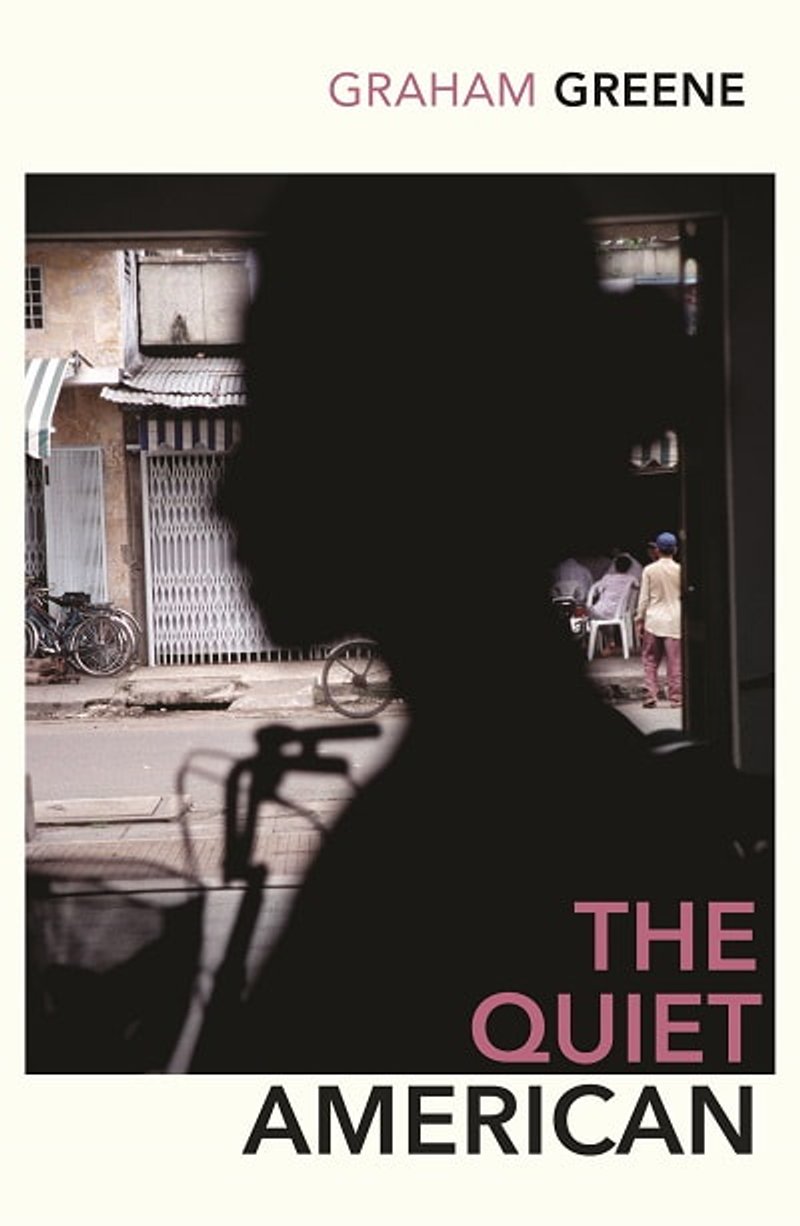
The Quiet American
Sometimes, books do not suffice to tell stories about wars. Ireland’s history is sodden with blood, oppression and revolt, but all that is captured far more vividly in Irish songs and poetry than in prose.
More importantly, old-fashioned war histories, focusing on generals and strategies and battle maps, leave out those who actually did the fighting. Ordinary soldiers rarely write memoirs. A few of their wars might be preserved through oral testimony, as mediated by, for the Second World War, Catherine Merridale (the best of all), Antony Beevor or Max Hastings.
Occasionally, an odd, neglected masterwork might re-surface. One such is Francis Parkman’s history of “the decline and fall of the French empire in North America”, issued bearing the names of the opposing commanders, as Montcalm and Wolfe. First published 141 years ago, Parkman’s work establishes him as a latter-day Tacitus, cynical and sardonic certainly, but wise and measured as well. The eventual victor is depicted dryly as “a hero without the light and cheer of heroism”. Impenetrable forests, dangerous rapids and pelting rain are given a character of their own: “all was trickling, oozing, pattering, gushing”.
Coming closer to our own time, a reader could learn from four books with incongruously evocative titles, The Small Boat of Great Sorrows (Dan Fesperman: about the war in Bosnia), Jarhead (Anthony Swofford: Iraq), Palestinian Walks (Raja Shehadeh: the West Bank), and A Fort of Nine Towers (Qais Akbar Omar: Afghanistan). For richness, depth and diversity in war writing, however, no other modern conflict compares with Vietnam. A war Americans should never have fought and could never have won has produced some fine, melancholy tales.
A reader might enter The 13th Valley, appraise A Rumor of War, examine The Things They Carried, consider Going After Cacciato, fly with Chickenhawkor enlist for a time In Pharaoh’s Army. Remarkably, these books by John del Vecchio, Philip Caputo, Tim O’Brien, Robert Mason and Tobias Wolff all seem readily available on street bookstalls in Saigon. The victors appear content to permit those they defeated to have their say.
The latest, worthy addition to the literature of Vietnam is David Shipler’sThe Interpreter, the most recent war story intended to break your heart.Like all the books cited here,Shipler’s is deeply informed, compassionate and compelling. Once again, a reader is tugged into the grease and the guts of conflict. Writing about war in Vietnam began as far back as 1955, with Graham Greene’sThe Quiet American, and was embedded by1966, when Bernard Fall’sHell in a Very Small Place was published. All the contours of that tragedy have not yet been mapped.
About the author
Mark Pierce
Mark Pierce was a diplomat and is now a writer who has spent years living in France and Germany.
Subscribe to
The most-pressing world events explained by Lowy Institute experts and global contributors, in your inbox, every Thursday.
You may unsubscribe from The Interpreter at any time. For information on our privacy practices and how to unsubscribe, see our Privacy Policy.