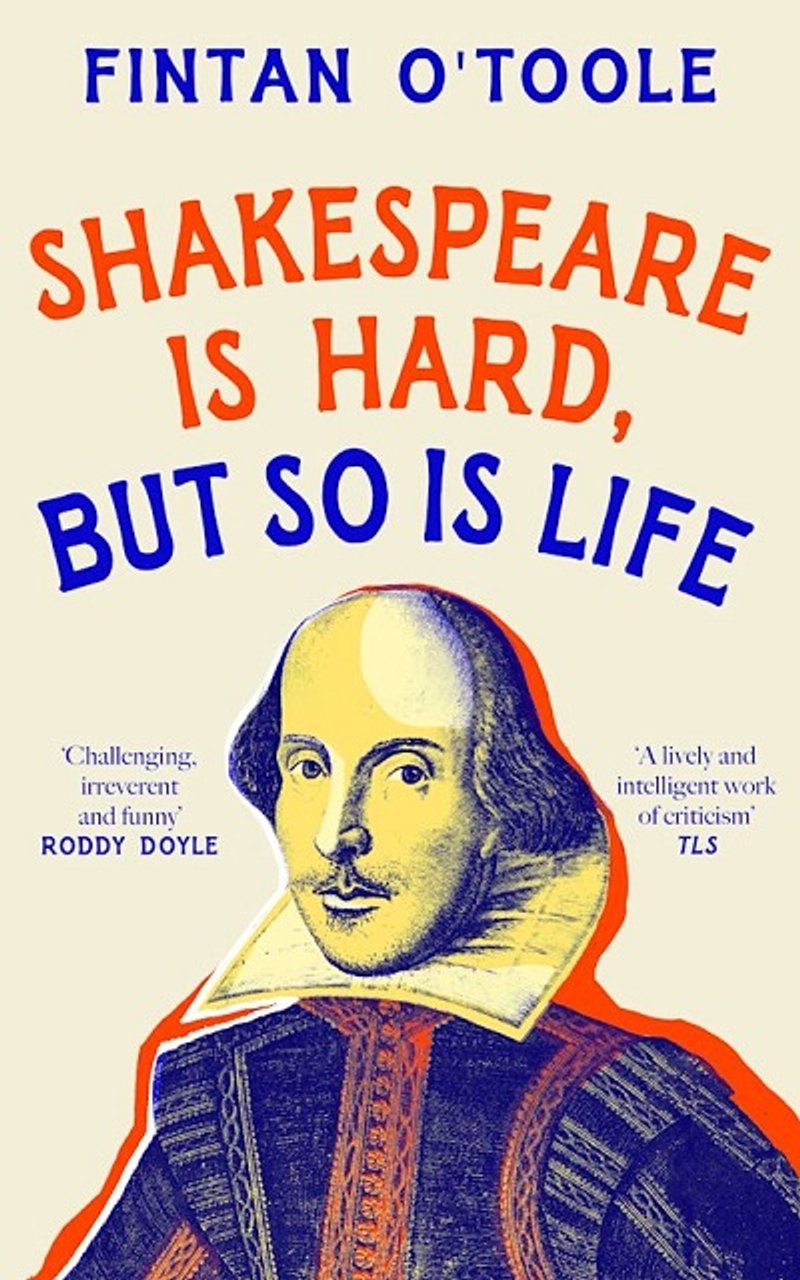
O’Toole sometimes pushes his case too far, whether in his pre-occupation with rebutting Victorian notions of the plays or his insistence that feudalism and modernity collided in Shakespeare’s life and work. Appraising dramas, he occasionally stretches for a dramatic effect. More often, though, the grace, wit and force of his language lift any otherwise tedious argument. Hamlet, for instance, “talks of suicide like a connoisseur judging a good painting”.
O’Toole mocks those tempted to treat Shakespeare as “a sort of mental muesli that cleans out the system”. For his part, he can be alarmingly brusque with the Bard. “Is Othello stupid?” opens one chapter, while another begins by observing that “the witches in Macbeth are an embarrassment”.
Irony and iconoclasm are easily excused, for Shakespeare’s wonders are renewed for every new reader. Yet another biography of Shakespeare might have seemed superfluous until Stephen Greenblatt published Will in the World. Still one more portrayal of Falstaff might have seemed redundant until Ian McKellen recently inhabited the part in Player Kings. Even Boris Johnson thinks he has something new to say about Shakespeare.
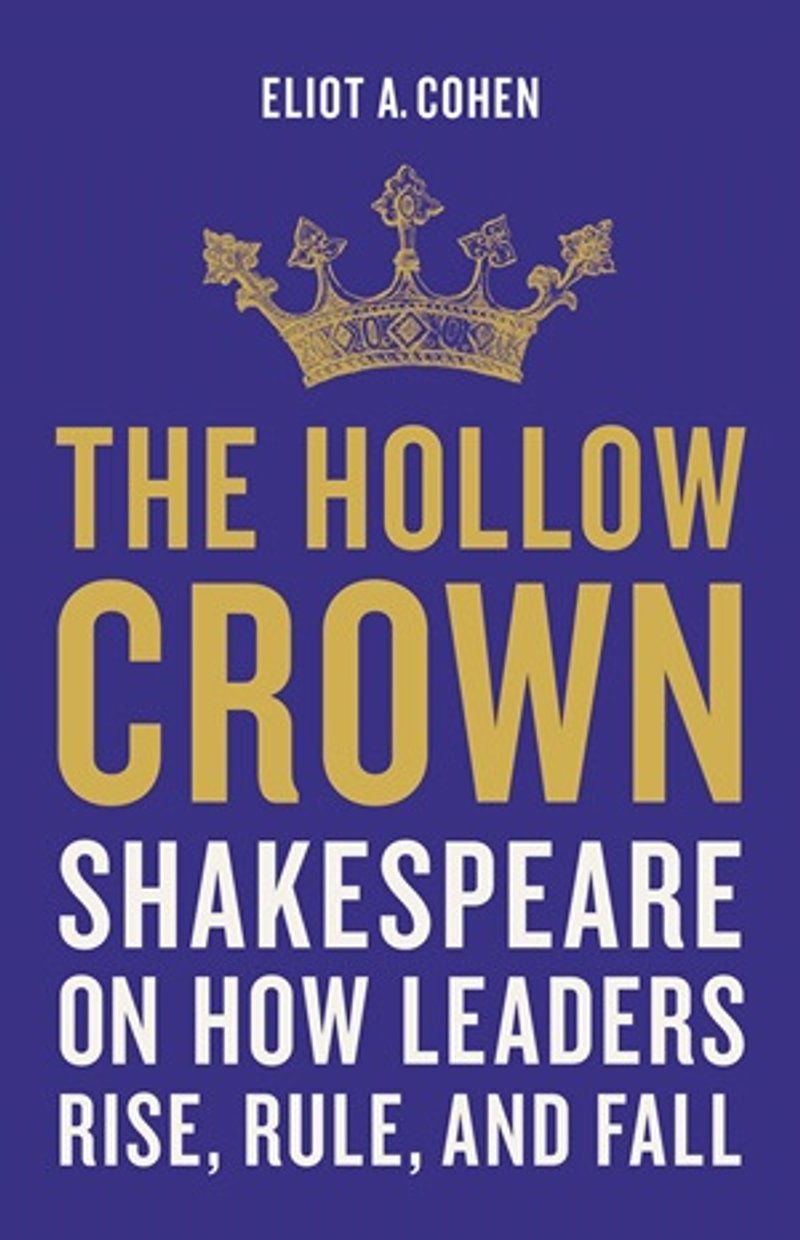
In sharp contrast with O’Toole, Eliot Cohen believes that there exist “few guides as perceptive as Shakespeare”, including for instructions “on how leaders rise, rule and fall”. Not only has Cohen taught a course on Shakespeare for policymakers. He notes that reading the plays (here, Richard III) “even nudged me into anticipating a major war”.
The premise of The Hollow Crown is therefore that a playwright who worked more than half a millennium ago, who never occupied any leadership position within his State, who could know nothing of our world, can nonetheless serve as the source of specific, practical guidance for our own leaders. Nobody appears to have devised courses for policymakers on the Gospels, the Mahabarata, or the thoughts of Abraham Lincoln.